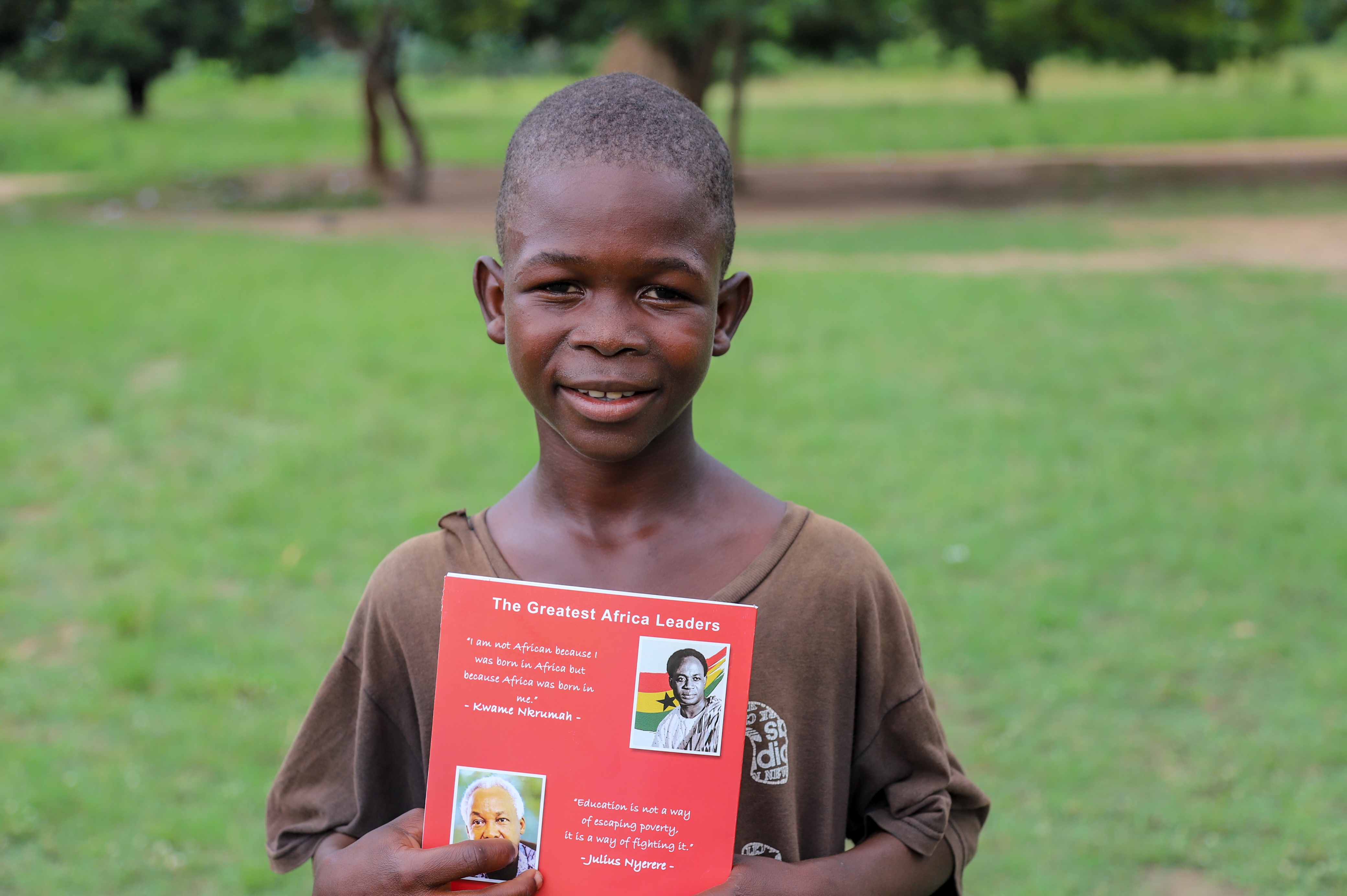
"Health is not a privilege — it is the foundation upon which every child's education and future must be built."— Spursbase Foundation
Our Objective
Despite progress in expanding health infrastructure across Ghana, access to quality healthcare remains deeply unequal. In marginalised rural communities, poorly equipped facilities, limited resources, and systemic gaps leave children and families vulnerable — driving self-medication, preventable illness, and early school dropout.
Spursbase Foundation's Health & Wellbeing Programme addresses the intersecting health challenges that prevent children from attending school, learning confidently, and reaching their potential. We focus on menstrual health, mental wellbeing, sexual and reproductive health, and holistic wellness for children and adolescents in underserved communities.
The Challenge
Inspite of the progress Ghana has made in ensuring that health facilities are available for many communities and health insurance for all, access has always been a challenge for vulnerable communities in marginalised areas. Lack of well-equipped facilities leads to many losing their lives, and a lack of resources makes it hard for children to access care — leading to self-medication and preventable illness.
Period Poverty
Nearly half of girls in Ghana face challenges accessing sanitary products, causing them to miss school during menstruation. Some girls resort to working to afford pads, exposing them to risks including unplanned pregnancies and ultimately dropping out of school entirely.
Mental Health Crisis
About one third of children in Ghana face trauma and other mental health challenges, causing many to become timid in class and in their communities. This is increasingly recognised as a public health problem that requires community-level solutions.
Sexual & Reproductive Health
Many adolescents in marginalised and underserved communities find it difficult to access sexual and reproductive health services, leading to a high rate of unintended pregnancies and school dropout — particularly among girls.
Stigma & Silence
Cultural taboos around menstruation, mental health, and reproductive wellbeing prevent open conversations in schools and homes, leaving children without the information and support they need to thrive.
Projects
Our Health & Wellbeing Programme runs targeted initiatives that address period poverty, mental health, and reproductive wellbeing across Ghana's underserved communities.
PAD (Protecting & Developing) The Girl Child Campaign
Distributing sanitary pads and providing menstrual health education across schools in Ghana — including boy-inclusive conversations to break stigma and keep girls in class.
Read More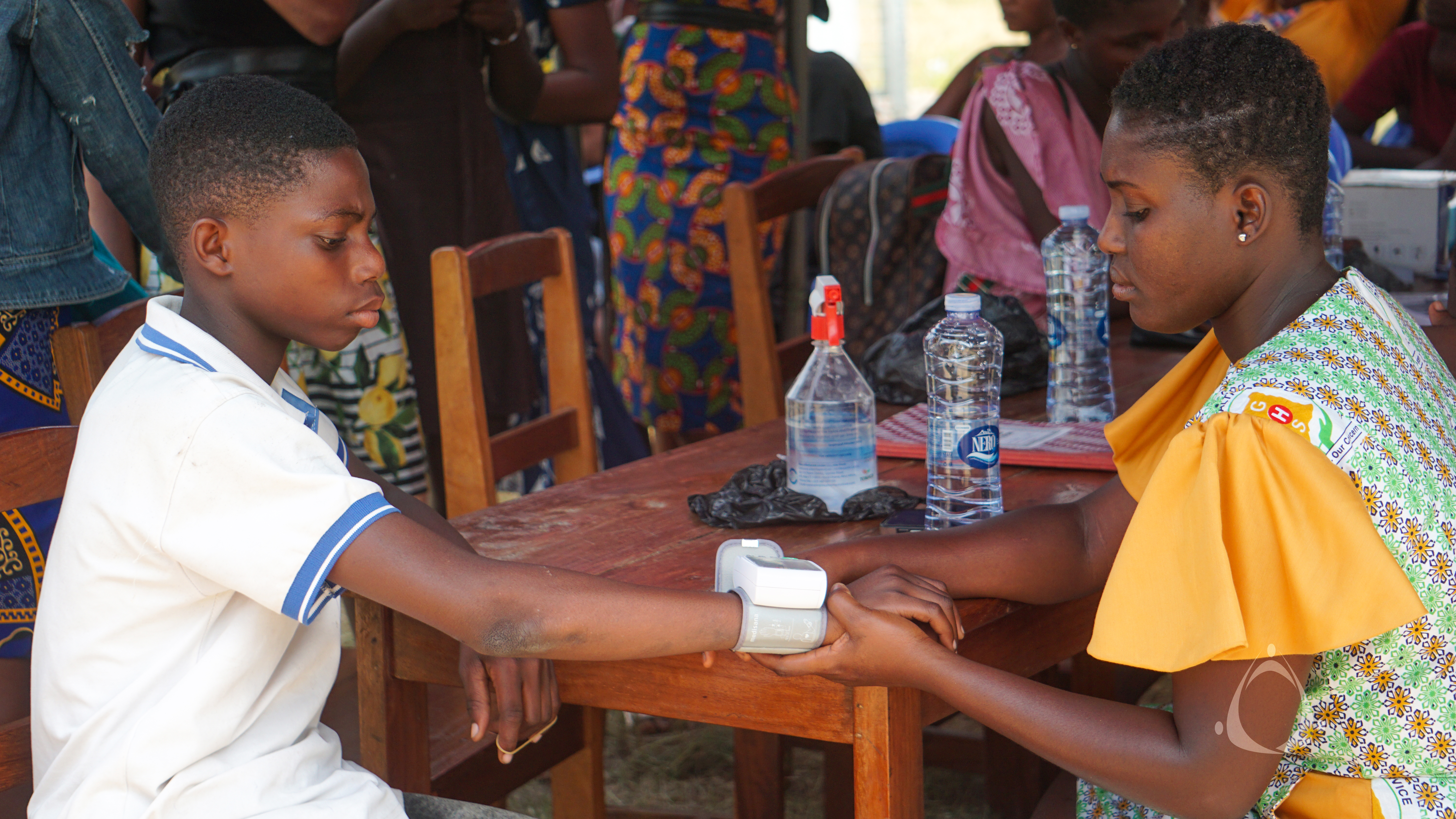
Let's Talk
A safe-space programme that opens conversations on mental health, trauma, and emotional wellbeing for children and adolescents in marginalised communities.
Read More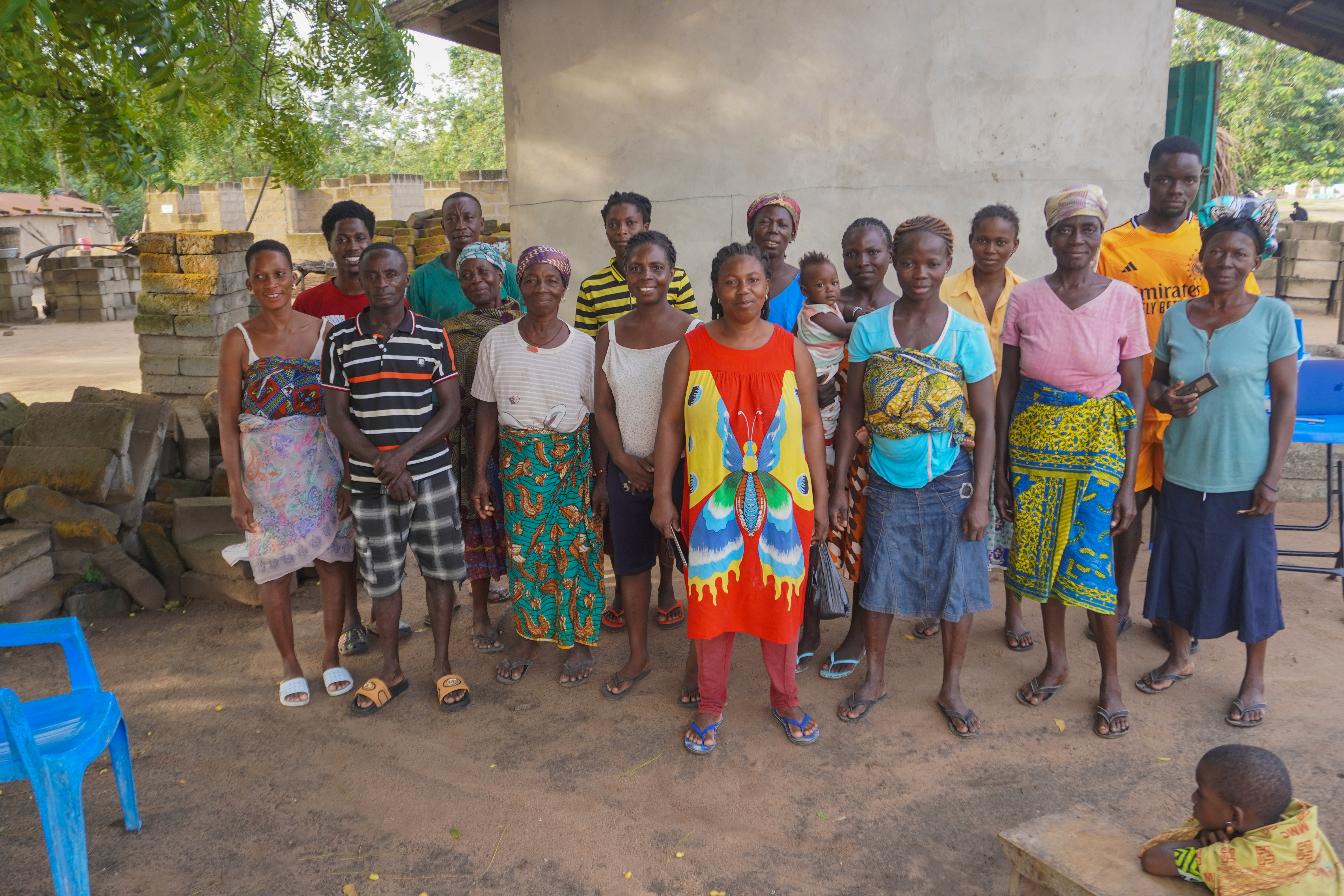
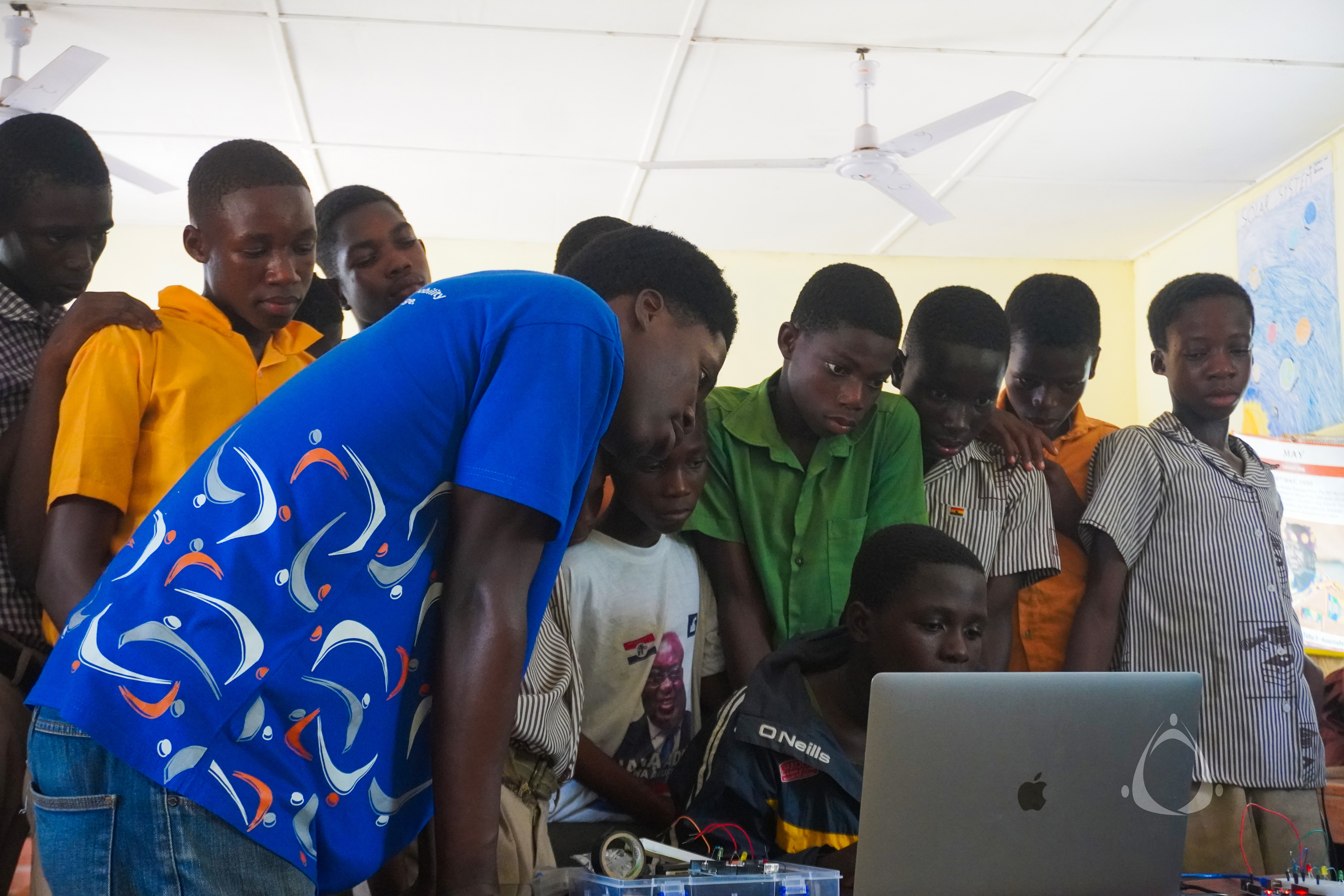
Wellness 360
A holistic wellbeing programme combining physical health awareness, sexual and reproductive health education, and psychosocial support for young people in underserved schools.
Read MoreOur Impact
In 2025, our health interventions reached over 3,000 children and families across the Volta, North East, and Central Regions of Ghana.
416 Girls + 272 Boys
Reached through hands-on menstrual health education and pad distribution across 8 schools in 3 regions — Central Tongu, Kunkwa JHS, and Awutu Bereku.
100+ Sanitary Pads Distributed
Delivered directly to girls with live demonstrations for 125 pupils, restoring dignity and improving school attendance.
Girls' Attendance Rose to 85%
By addressing period poverty and creating supportive learning spaces, school attendance among girls increased significantly across our partner schools.
National Virtual Campaign
The "Beyond The Pad" virtual campaign on 20 May 2025 brought together thought leaders, educators, and advocates nationwide to advance sustainable menstrual health solutions beyond donations.
Our Approach
We address health and wellbeing holistically — understanding that a child who is unwell, afraid, or lacking basic dignity cannot learn. Our approach integrates health programming directly with our education initiatives, reaching children where they are.
Community-First Distribution
Staff and volunteers deliver health resources directly into schools and communities, meeting children's immediate needs while building trust with families and local leaders.
Boy-Inclusive Conversations
We include boys in menstrual health and reproductive education, helping to dismantle stigma from within communities and create more supportive environments for girls.
Integrated Awareness & Action
Our interventions pair direct service delivery with advocacy and national conversation — ensuring that health challenges faced by marginalised children are visible, understood, and acted upon.
Strategic Partnerships
We work with Love Land Foundation, Benchmark Marketing, Ezer International, and other partners to extend our reach and deepen the impact of every health intervention.